
How Online Entertainment Trends Are Shaping Creative Industries in 2026: From Digital Photography to Bitcoin Casinos
How Online Entertainment Trends Are Shaping Creative Industries in 2026: From Digital Photography to Bitcoin Casinos
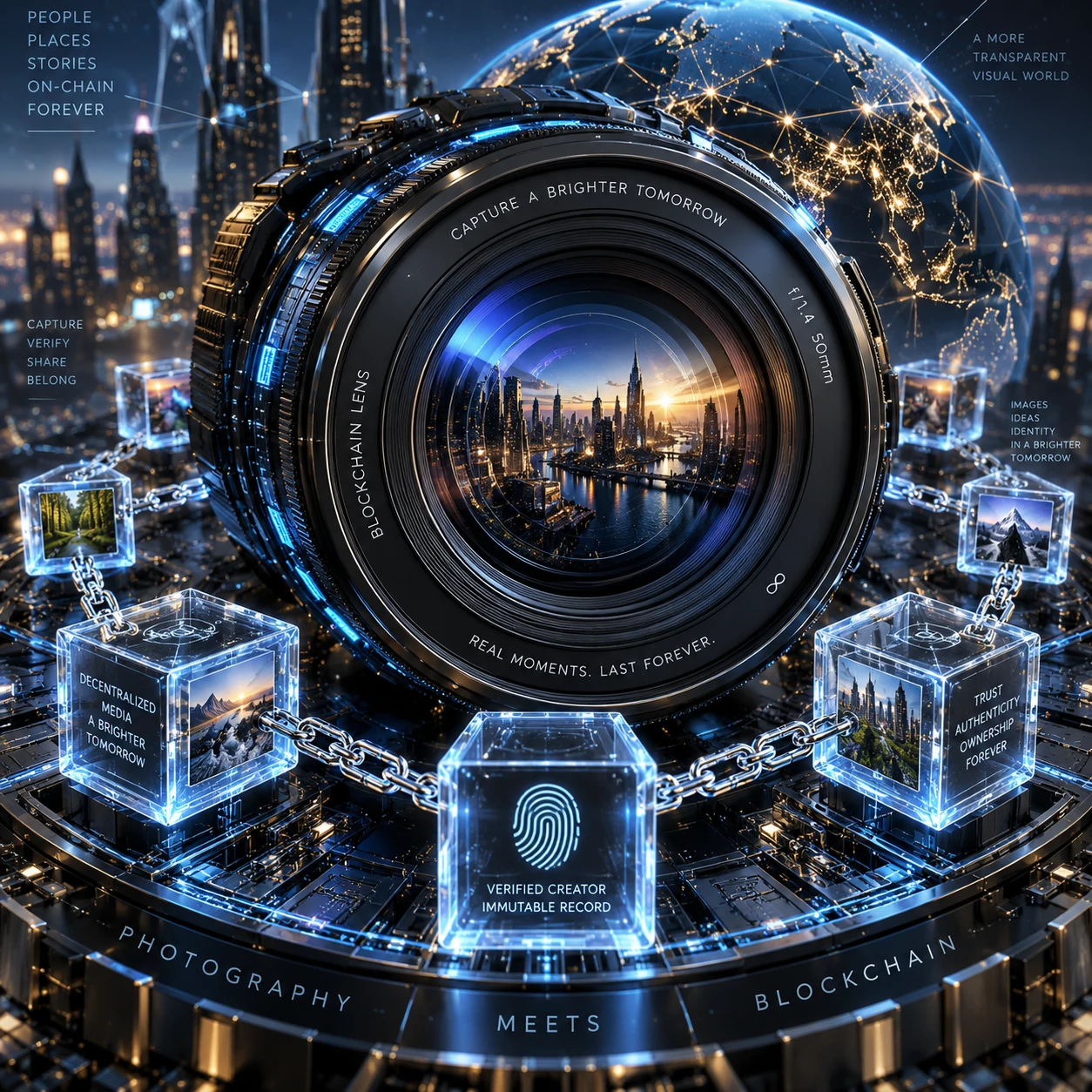
I've spent most of this year watching the lines between entertainment, art, and technology blur in ways I honestly didn't see coming. In 2026, people aren't just scrolling through streaming queues anymore — they're building these immersive digital lives that stretch from AI-assisted photography all the way to decentralized gaming platforms. I work closely with creative professionals, and there's a pattern I can't ignore at this point: online entertainment trends are reshaping how creative industries operate, market themselves, and even define what 'success' means.
So this piece is my attempt to map that convergence out. Digital photography, blockchain-based platforms, and yeah — even bitcoin casinos — are all tangled up in the same cultural shift. Strange mix on paper. But look closer and the connections actually make sense.
The Digital Entertainment Boom of 2026
Online entertainment blew right past the traditional streaming model we'd gotten comfortable with over the last decade. We're living in an era of immersive, interactive, decentralized experiences now, powered by AI, blockchain, and connections fast enough that lag barely registers. A live-streamed art auction, an interactive gaming tournament, a crypto-powered entertainment platform — doesn't matter which one. The thread running through all of it is accessibility and participation.
What gets me most is how fast the infrastructure caught up with what people actually wanted. Five years ago, blockchain felt like some niche financial topic you'd only hear about on finance podcasts. Now it quietly runs everything from digital ticketing to content ownership verification, and most users have no clue it's even happening behind the scenes.
From Passive Viewing to Active Participation
Audiences in 2026 don't just watch anymore. They participate. Live interactions, gamified content, personalized digital experiences — all of it replaced the old sit-back-and-consume model. I see this play out in how creative professionals build their audiences too. Posting a portfolio and waiting around? Not enough anymore. People want to engage, comment, co-create, sometimes even push the final product in a different direction.
Digital Photography's New Creative Frontier
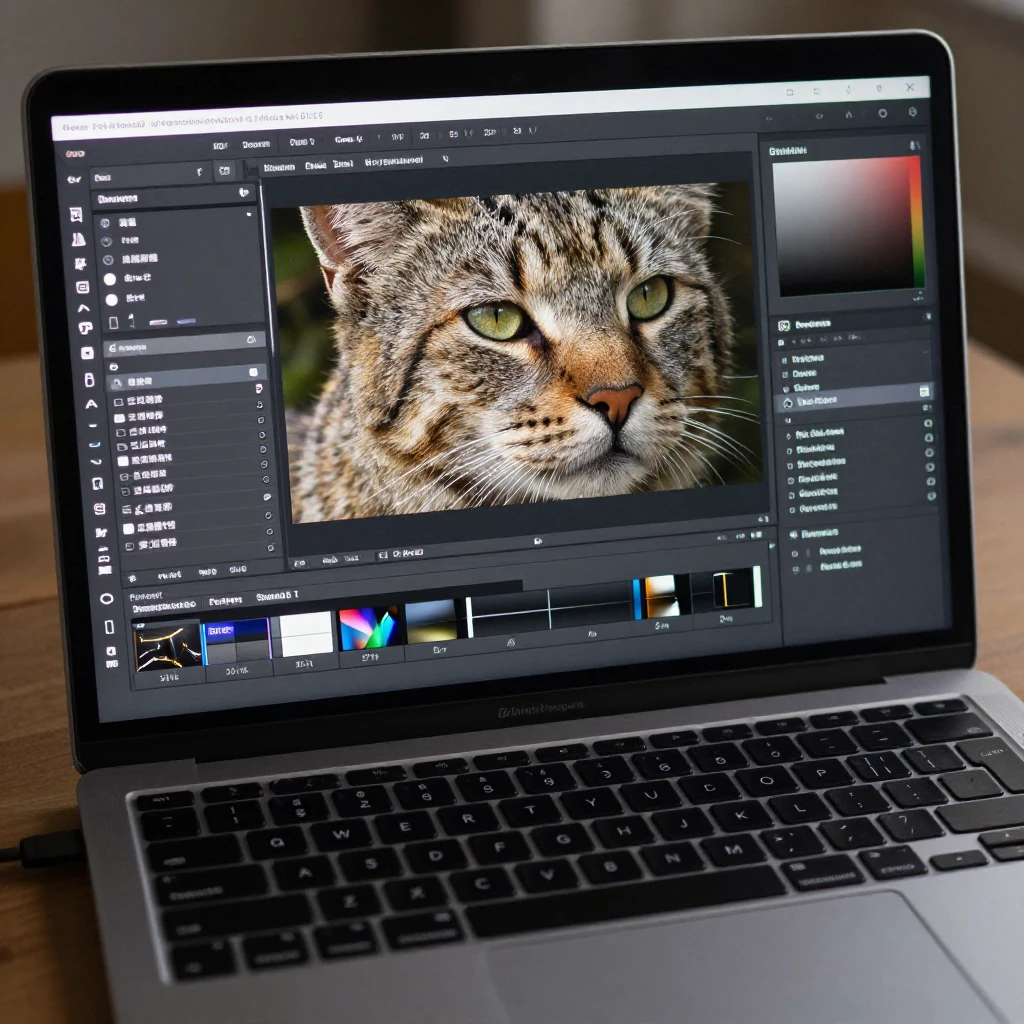
Photography's always evolved alongside technology, but this year feels different somehow. AI editing tools now handle color grading, retouching, even composition suggestions, in seconds. Drone photography went mainstream — it's not some luxury add-on anymore, and even small studios get access to cinematic perspectives that used to require a much bigger budget. And social-first visual storytelling, short-form, highly stylized, built for mobile screens, has basically become the default way photographers land new clients.
Photographers I know personally are rethinking their whole marketing approach. Having a stunning portfolio isn't the point anymore. It's about understanding how that portfolio actually performs across platforms built for an entertainment-driven digital economy.
Photography as a Lifestyle Brand
One trend I find genuinely fascinating: photographers blending artistry with personal branding. Websites and social platforms now show off more than technical skill. Personality, values, creative identity — all of it's part of the package. This mirrors what's happening across the broader entertainment landscape, where personal brand and content keep merging into a single product. The photographer isn't just selling images anymore. They're selling an experience, a point of view, a lifestyle.
The Rise of Blockchain-Based Entertainment Platforms
Blockchain officially moved past its finance-only reputation. In 2026, it's the backbone for transparent, secure, borderless entertainment — digital art ownership, ticketing systems, gaming platforms all lean on it to build trust with consumers who've gotten a lot more skeptical. People want proof their transactions are fair, their data's protected, and their digital assets are actually theirs. Not just 'theirs' in some fine-print sense.
This shift sets up one of the more surprising case studies in digital entertainment innovation: online gaming built entirely on crypto infrastructure.
Bitcoin Casinos as a Case Study in Digital Entertainment Innovation
Bitcoin casinos have become a textbook example of how blockchain reshapes what people expect from entertainment. They offer decentralized, fast, secure gaming experiences that line up almost perfectly with what today's consumers want — transparency, speed, and control over their own data and funds. No middleman slowing things down. And the appeal to tech-savvy audiences? Pretty obvious once you think about it.
What I find particularly interesting is how this trend loops back to creative branding. For creative professionals exploring where visual storytelling meets digital innovation, platforms like bitcoin casinos show how creative branding can thrive right alongside emerging digital entertainment trends, including the growing popularity of blockchain-based gaming among tech-savvy audiences. It's a reminder that creative identity and emerging tech aren't opposing forces. If anything, they're getting more intertwined by the month.
How Creative Professionals Are Adapting to These Trends
Photographers, designers, digital artists — they're not sitting on the sidelines watching this unfold. Plenty are actively using entertainment trends to expand their business models. Gamification shows up in client experiences now: interactive portfolio reveals, loyalty-style booking rewards, that kind of thing. Blockchain verification gets used to authenticate digital art and stop unauthorized duplication before it happens. And crypto-based monetization is opening doors traditional payment systems never offered.
Monetizing Creativity in the Digital Entertainment Era
New revenue streams genuinely surprised me with how fast they matured. NFT photography collections, crypto tipping during live shoots or behind-the-scenes streams, direct collaborations with online entertainment platforms — these are realistic income sources for creative professionals now, not just experimental side projects anymore. It's giving artists more control over how they get paid, and from whom.
- Selling limited-edition digital photo collections as NFTs
- Accepting crypto tips during live content creation
- Partnering with entertainment platforms for sponsored visual content
- Licensing imagery directly through blockchain-based marketplaces
Opportunities and Challenges Ahead
I don't want to paint an overly rosy picture here, because there are real challenges tangled up with all this opportunity. Regulatory uncertainty around crypto-based entertainment platforms, gaming included, remains a genuine concern for creators and consumers alike. And the digital content market? Incredibly saturated. Standing out takes more than just solid technical skill these days.
Then there's the authenticity question. As AI tools get more capable, audiences are craving genuine human creativity more than ever, maybe as a kind of counterbalance. The creative professionals who actually succeed in this environment will be the ones using technology to sharpen their voice, not replace it.
Conclusion
Digital photography and bitcoin casinos might look like an odd pairing at first glance. But they're both part of the same story unfolding across 2026 — creativity and technology merging in ways that reward transparency, participation, and authentic personal branding. The creative professionals who embrace this shift, instead of resisting it, are the ones positioned to lead the next wave of digital entertainment culture. I'll be watching closely to see where this goes next. And honestly? I think the most interesting developments are still ahead of us.
