
How Online Gambling Affects the Brain: A Neuroscience Perspective on Bitcoin Casino Gaming and Cognitive Health in 2026
How Online Gambling Affects the Brain: A Neuroscience Perspective on Bitcoin Casino Gaming and Cognitive Health in 2026
Online wagering has exploded across the United States, and 2026 brought a twist nobody quite saw coming at this scale: cryptocurrency-powered casinos that settle bets in seconds and never, ever close. I've spent years digging into how digital environments shape human behavior, and honestly? Watching neuroscience scramble to catch up to this trend has been something else. Researchers are now asking pointed, almost blunt questions about what actually happens inside a gambler's brain once the transaction barrier disappears and the action simply doesn't stop. This piece walks through what I've learned about the neurological mechanics of online betting, with a close look at the specific cognitive triggers baked into bitcoin casino platforms.
What Happens in the Brain When You Gamble Online
Gambling, in any form, lights up the brain's reward and risk-assessment circuitry. But online betting pulls off something a physical casino floor just can't manage: it compresses time. No walk to the cashier. No pause between hands. No social friction slowing anything down — none of it.
That speed changes how intensely, and how often, the brain's reward pathways fire. It's a big part of why researchers now treat digital gambling as its own behavioral category, not just a faster version of the same old habit sitting on a felt table somewhere in Vegas.
Dopamine and the Reward Circuit
Every win, and even the mere anticipation of one, triggers a dopamine surge in the mesolimbic pathway — the same system tied to other reward-driven behaviors you'd recognize instantly if you saw them listed out. This isn't just about pleasure, though. Dopamine functions primarily as a learning signal. It tells the brain, flatly: do that again.
Online platforms, with their rapid-fire rounds and instant feedback loops, hand that signal far more chances to fire per hour than a physical casino table ever could. And I think that single difference, more than anything else people point to, explains the bulk of what's shifted in modern gambling behavior.
The Role of Near-Misses and Anticipation
Game designers know something a little unsettling: a near-miss, two matching symbols with the third just barely off, can produce a neural response that's almost indistinguishable from an actual win. Studies using functional imaging have shown this again and again. Not as a one-off finding — as a pattern.
Online interfaces are often built, intentionally or not, to maximize these near-miss moments. And that keeps players engaged far longer than a simple win/loss outcome ever would on its own.
Bitcoin Casino Gaming: A New Layer of Neurological Stimulation
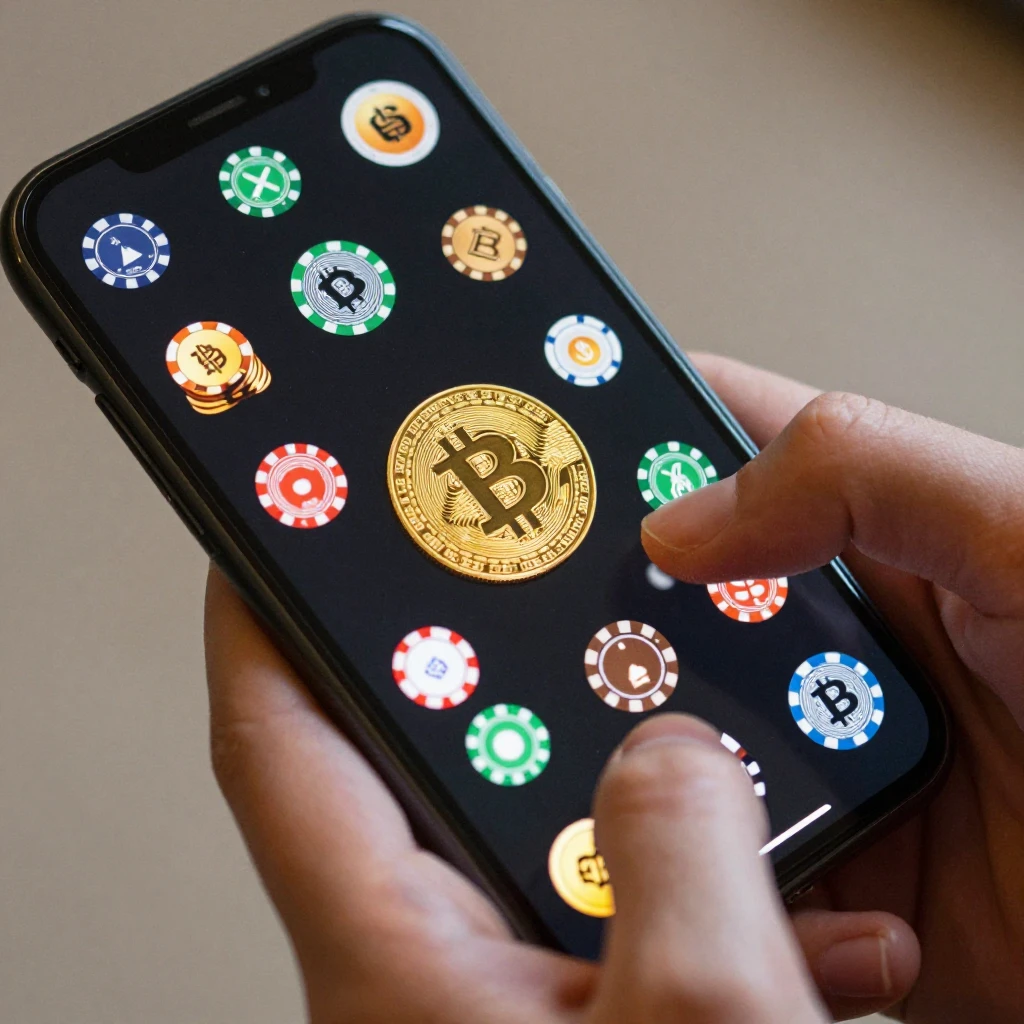
Cryptocurrency-based platforms introduce something traditional online gambling never fully had: near-zero friction. No waiting for a bank transfer to clear. No multi-day withdrawal delay. Often a degree of anonymity that strips away the psychological 'checkpoint' moments that used to naturally slow a session down.
Transactions settle in moments. The game's right there, 24 hours a day, every single day of the year — no exceptions, no closing time, nothing.
From a neuroscience standpoint, this matters more than it might sound like at first glance. Those old friction points — waiting, verifying, re-entering payment details — functioned as unintentional cool-down periods, whether anyone designed them that way on purpose or not. They gave the prefrontal cortex a few extra seconds to catch up with the limbic system's impulsive urges. Remove that gap, and impulsivity gets a lot more room to drive behavior unchecked.
This is exactly the kind of interaction researchers are starting to examine more closely. Clinical and academic resources focused on bitcoin casino behavior patterns are beginning to study how instant, borderless transactions interact in real time with the brain's decision-making and impulse-control systems — offering some of the first data-backed insights into this fairly new corner of digital wagering. It's early research, I'll admit that upfront, but the direction it's pointing is hard to ignore.
Cognitive Effects of Frequent Online Gambling
Beyond the immediate rush of a win or a near-miss, repeated exposure to fast-paced digital betting seems to leave a longer trace on brain function. This is where the conversation shifts, from 'what happens during play' to 'what happens to you over time' — and that's the part people tend to underestimate, maybe because it's slower and less dramatic.
Attention and Decision-Making Changes
Frequent players exposed to rapid betting interfaces often show altered attention patterns. There's a narrowed, hyper-focused attentional style that can make it harder to accurately judge risk anywhere else in life, not just at the betting table. Decision-making under uncertainty — a skill the brain leans on daily, for things as mundane as crossing a street — seems to get quietly recalibrated by constant exposure to high-speed, high-stimulation betting environments.
Memory and Impulse Control
The prefrontal cortex is the brain's primary brake system. It's responsible for impulse control and working memory, full stop. Chronic gambling behavior has been linked to reduced activity in this region, and that can translate into weaker self-regulation, more impulsive financial decisions, and real difficulty holding multiple pieces of information in mind while weighing a choice.
Which, if you think about it, are exactly the skills needed to gamble responsibly in the first place. There's something almost ironic about that — the exact mental tools you'd need to play safely are the ones getting worn down.
Who Is Most Vulnerable to Gambling-Related Brain Changes
Not everyone responds to online or crypto gambling the same way. I've seen the research point to several factors that appear to increase vulnerability:
- Younger adults, whose prefrontal cortex is still developing well into their mid-20s
- Individuals with pre-existing anxiety, depression, or ADHD
- People under chronic stress, which can already deplete self-control resources
- Those with a personal or family history of addictive behaviors, including substance use
If you fall into one or more of these categories, it's worth being extra deliberate about how, and how much, you engage with high-speed digital betting platforms. No shame in that. It's just math on risk, really.
Protecting Your Cognitive Health While Gambling Online
None of this means digital or crypto gambling has to be harmful. It means being intentional about it, which is a lot less dramatic than it sounds. A few practical steps go a long way:
- Set firm time and spending limits before you start playing, and use platform tools to enforce them
- Build in manual 'cool-down' breaks every 20-30 minutes, even if the platform doesn't require one
- Watch for early warning signs: chasing losses, lying about play time, irritability when not playing
- Avoid gambling during high-stress periods or when sleep-deprived, both of which weaken prefrontal control
- Reach out to a psychologist or neurologist familiar with behavioral addiction if patterns feel out of your control
FAQ
Does bitcoin gambling affect the brain differently than traditional online gambling?
Yes, mostly because of speed and friction, or really, the lack of it. The near-instant nature of crypto transactions removes natural pauses that otherwise give the brain's impulse-control systems a chance to catch up.
Can gambling-related brain changes be reversed?
In many cases, yes. The brain holds onto a good deal of plasticity, and reducing or stopping compulsive gambling behavior has been shown to let prefrontal function and reward sensitivity gradually normalize over time. Not overnight. But it does happen.
What are early signs of gambling-related cognitive impairment?
Common signs include difficulty concentrating on unrelated tasks, impulsive financial decisions outside of gambling, memory lapses around time spent playing, and a growing need for bigger wins or higher stakes just to feel the same level of excitement.
Conclusion
The neuroscience behind online gambling, and bitcoin casino platforms especially, paints a pretty clear picture: speed, accessibility, and reduced friction all amplify the brain's natural reward and risk-processing systems. That's not inherently dangerous on its own. But it does mean players in 2026 need to be more thoughtful than ever about how these fast-moving digital environments interact with their own cognitive wiring.
Staying informed, setting real limits, and paying attention to early warning signs are, as far as I can tell, the best tools anyone currently has for enjoying this evolving space without letting it quietly reshape the brain's decision-making systems. Worth taking seriously. Not worth panicking over.
