
How to Choose a Safe and Legitimate Bitcoin Casino in 2026: A U.S. Player's Guide to Responsible Online Gambling
How to Choose a Safe and Legitimate Bitcoin Casino in 2026: A U.S. Player's Guide to Responsible Online Gambling
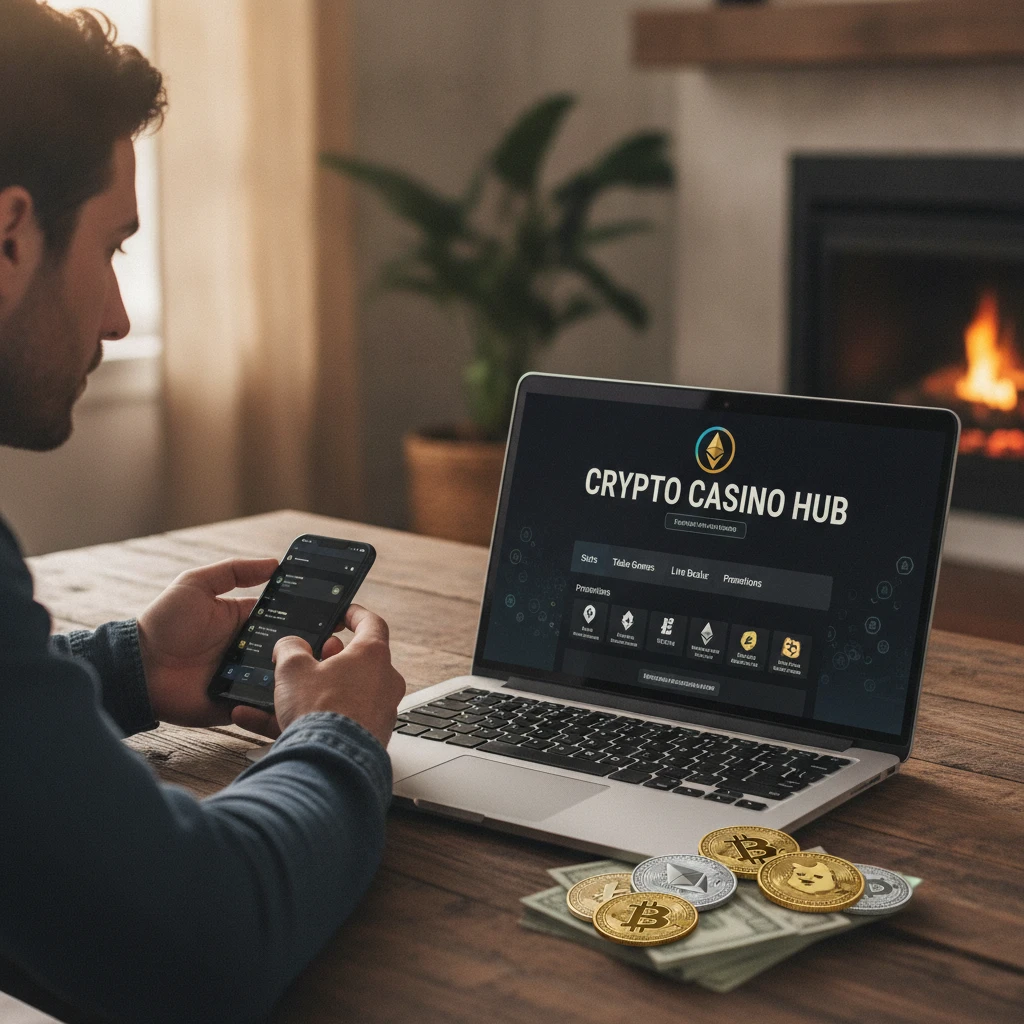
I've spent a good amount of time researching crypto gambling platforms over the past year, mostly because I kept seeing friends ask the same question: 'Is this site even legit?' With Bitcoin casinos exploding in popularity across the U.S. in 2026, that question matters more than ever. The crypto gambling space moves fast, and unfortunately, so do the scammers trying to take advantage of newcomers. This guide walks through exactly what I look for before trusting any platform with my funds—and what you should look for too.
What Makes a Bitcoin Casino Safe and Legitimate in 2026?
A legitimate Bitcoin casino in today's market needs to check several boxes simultaneously. It's not enough for a site to just accept crypto payments—legitimacy comes down to proper licensing, verifiable fairness technology, strong encryption protocols, and terms of service that don't bury unfavorable conditions in confusing legal jargon. These four pillars form the baseline every U.S. player should use when evaluating a platform.
I've noticed that trustworthy operators tend to be transparent by default. They publish their licensing details prominently, explain their fairness mechanisms in plain language, and don't hide withdrawal policies in fine print. If a casino makes you dig for basic information, that's already a warning sign.
Licensing and Regulatory Oversight
Since the U.S. doesn't have a unified federal framework for crypto gambling, most reputable platforms serving American players operate under offshore licenses—commonly from Curaçao, Malta, or the Isle of Man. These jurisdictions require operators to meet specific standards around fund segregation, dispute resolution, and anti-money-laundering compliance.
The red flag I watch for most carefully is a missing or unverifiable license number. Any casino worth your time will display this information clearly, and you should be able to cross-reference it on the licensing authority's own website. If a site claims licensing but gives you no way to confirm it, walk away. I've seen too many 'casinos' vanish overnight with player funds simply because nobody bothered to check.
Why U.S. Players Are Turning to Bitcoin Casinos
The appeal makes sense when you think about it. Traditional online gambling in the U.S. is a patchwork of state-by-state regulations, which means plenty of players simply don't have access to licensed local options. Bitcoin casinos sidestep a lot of that friction by operating internationally while still accepting American players.
Beyond accessibility, there's the practical stuff: faster payouts (often within minutes rather than days), lower transaction fees compared to credit card processing, and a layer of privacy that traditional banking methods just can't match. As crypto adoption continues expanding through 2026, more players are comfortable holding and spending digital assets, which naturally pushes them toward platforms built around that currency.
Key Safety Checks Before You Deposit
Before you ever fund an account, run through a quick mental checklist. First, search for independent reviews—not just testimonials posted on the casino's own site, but discussions on forums and third-party review platforms where real players share their experiences. Second, check the withdrawal limits and timelines listed in the terms. Third, test customer support responsiveness before you deposit a dime; send a question and see how quickly and thoroughly they respond.
Spotting Red Flags and Scam Platforms
Certain warning signs come up again and again with shady operators. Unrealistic bonuses—think '500% match' with no reasonable wagering requirements—are almost always a trap. Poor website design, awkward grammar, or an absence of a verifiable license number should make you pause immediately. I also pay attention to payout history. Legitimate casinos often have public records or community discussions confirming they actually pay out winnings. If you can't find anyone who's successfully withdrawn funds, that tells you something.
Understanding Provably Fair Algorithms
One of the genuine advantages of blockchain-based gambling is provably fair technology. Unlike traditional RNG (random number generator) systems where you simply have to trust the casino's claims, provably fair algorithms let you verify, mathematically, that a game's outcome wasn't manipulated. Each bet generates a cryptographic hash that players can check against the result afterward. It's not flashy, but it's one of the clearest trust signals available in crypto gambling, and I'd argue it's a feature every serious Bitcoin casino should offer.
Responsible Gambling Practices for Crypto Players
This is honestly the section I think gets overlooked the most. Crypto gambling can feel abstract—you're not handing over physical cash, you're clicking buttons with digital tokens—and that abstraction can make it easier to lose track of how much you're actually spending. Setting firm deposit limits before you start playing isn't a sign of weakness; it's just smart money management.
Recognizing the early signs of problem gambling matters just as much here as it does with traditional casinos. Chasing losses, gambling to escape stress, or hiding your activity from people close to you are all signals worth taking seriously. Reputable platforms now build self-exclusion tools directly into their systems, letting you pause your account for a set period if you need a break.
If you ever find yourself concerned about your habits while playing at a bitcoin casino, it's worth knowing that support doesn't have to come solely from the platform itself. Organizations like the one at bernstein100austin.org focus specifically on responsible gambling awareness and recovery resources, offering guidance for players who want to regain control before things escalate. There's no shame in reaching out—recognizing a problem early is one of the most responsible things a player can do.
Tools and Resources for Staying in Control
Most legitimate crypto casinos now offer practical tools: deposit caps that limit how much you can add in a given timeframe, time-out features that temporarily lock your account, and self-exclusion options for longer breaks. Beyond platform-specific tools, U.S. residents have access to third-party support hotlines and organizations dedicated to gambling recovery. I'd encourage anyone spending real money on these platforms to bookmark at least one such resource, even if you never think you'll need it.
Comparing Payment Methods — Bitcoin vs. Traditional Options
Bitcoin transactions offer speed that traditional methods simply can't match. Credit card deposits might clear instantly, but withdrawals through conventional banking can take anywhere from three to seven business days. Crypto withdrawals, by contrast, often process within an hour, sometimes faster depending on network congestion.
Fees tell a similar story—crypto transactions typically cost less than credit card processing fees, especially for larger amounts. Anonymity is another factor; Bitcoin transactions don't require sharing full banking details with the casino, which appeals to privacy-conscious players. That said, Bitcoin's price volatility is worth considering. The value of your deposit (or winnings) can shift between the time you fund your account and when you cash out, which isn't something you deal with using traditional currency.
Step-by-Step: How to Get Started Safely
Getting started doesn't have to be complicated if you follow a logical sequence. Start by setting up a secure crypto wallet—hardware wallets offer the strongest protection, though reputable software wallets work fine for smaller amounts. Next, verify the casino's legitimacy using everything covered above: license number, independent reviews, and provably fair documentation.
Once you're confident in the platform, make a modest first deposit rather than committing a large sum right away. This lets you test withdrawal speed and customer support firsthand. Finally, understand the casino's KYC (know your customer) requirements upfront—most legitimate platforms will ask for identity verification before processing larger withdrawals, so having your documentation ready in advance saves time later.
Final Thoughts and Staying Informed
Choosing a safe Bitcoin casino in 2026 really comes down to due diligence that doesn't stop after your first deposit. Regulations around crypto gambling continue to shift, and platforms that were trustworthy a year ago can change ownership or policies without much warning. I'd recommend revisiting a casino's licensing status and terms periodically, especially if you're a regular player.
Responsible gambling isn't a one-time checklist—it's an ongoing habit. Stay informed, use the tools platforms provide, and don't hesitate to lean on support resources if you ever feel like your gambling habits need a second look. The crypto gambling space offers real advantages, but like anything involving real money, it rewards players who stay cautious and informed.
